MENU
Runner
great-northern-physiotherapy-lincoln-logo
  • About Us
    • Our Team
    • Join Us
  • What we treat
    • Achilles Tendinopathy
    • Carpal Tunnel Syndrome
    • Frozen shoulder
    • Golfers Elbow
    • Greater Trochanteric Pain Syndrome (GTPS)
    • Lower Back Pain
    • Medial Meniscus Tear
    • Medial Tibial Stress Syndrome (Shin Splints)
    • Neck Pain
    • Osteoarthritis
    • Plantar Fasciitis
    • Sciatica
    • Spinal stenosis
    • Subacromial Shoulder Pain
    • Tennis Elbow
  • Services
    • Our Services
    • Physiotherapy
    • Compass Clinic
    • Performance Lab
    • Sports Massage
    • Diagnostic Scanning
    • Injection Therapy
    • Shockwave Therapy
    • Acupuncture
    • Laser Therapy
    • K FORCE Rehab
  • Classes
  • Information
    • FAQ’s
    • Blog
  • THRIVE Workshops
  • ONE MSK
  • Contact Us
  • Book Now

Latest News

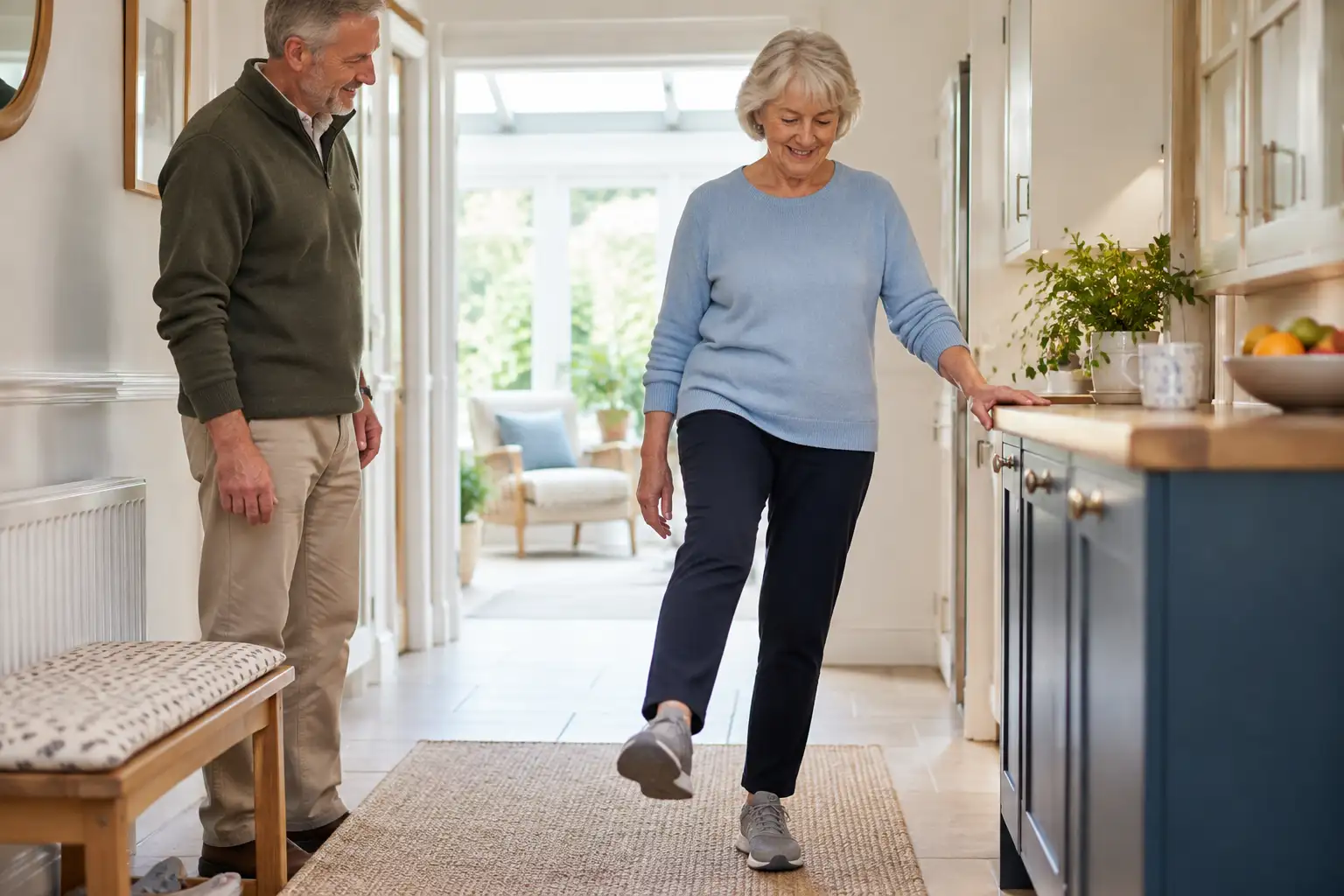
  • Create an authentic, contemporary UK active-ageing scene that communicates balance, confidence and everyday independence rather than a clinical exercise demonstration. Show an older adult in a bright, familiar home hallway or conservatory, calmly practising a supported weight shift near a sturdy kitchen worktop while a family member is present nearby but not taking over. The strongest visual idea is confidence through safe, adaptable movement: the person is upright, focused and relaxed, with a clear route through the home and ordinary daily-life context visible beyond. Use a natural three-quarter viewpoint at eye level, soft daylight and believable UK surroundings. Include subtle environmental cues such as a firmly positioned chair or work surface, but avoid making equipment the subject. Vary the composition from recent outdoor walking and clinical rehabilitation imagery by using an intimate indoor setting, one primary participant and a supportive family relationship. Avoid dramatic fall imagery, frightened expressions, medical equipment, walking frames as the dominant subject, readable signs, logos, branded clothing and generic fitness photography. | Simple Balance Exercises for Everyday Confidence
    15th October 2026

    Simple Balance Exercises for Everyday Confidence

    Practical balance exercises for older adults and families, with simple ways to progress safely and support confidence, mobility and independence.

    Health & Wellbeing
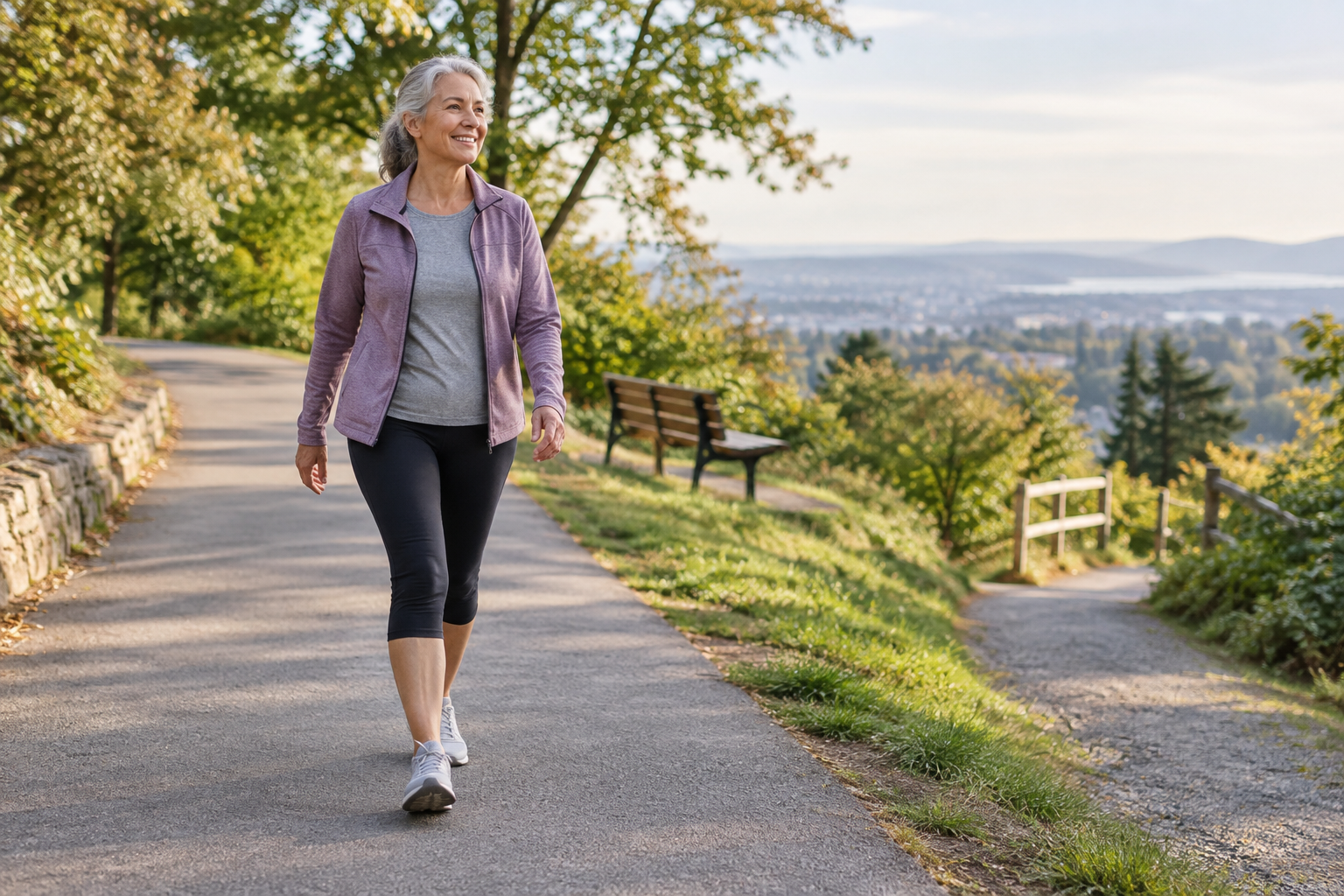
  • Create an authentic, contemporary UK outdoor community movement scene for World OsteoArthritis Day 2026. Show a small, varied group of older adults taking part in a calm, accessible walking session in a Lincolnshire park, with one participant choosing a shorter loop or pausing beside a bench while another continues at an easy pace. The visual should communicate adaptability, confidence, social connection and staying active with osteoarthritis rather than pain or limitation. Use a natural three-quarter viewpoint at eye level, soft daylight and believable seasonal UK surroundings. Include a clear path with route choices, comfortable everyday clothing and relaxed body language. Avoid dramatic pain expressions, braces, treatment equipment, readable signs, logos, branded clothing, clinical settings and generic fitness photography. | World OsteoArthritis Day
    12th October 2026

    World Arthritis Day

    World OsteoArthritis Day 2026 is an opportunity to understand osteoarthritis, challenge common myths and find practical ways to keep moving with confidence.

    Pain & Joint Health
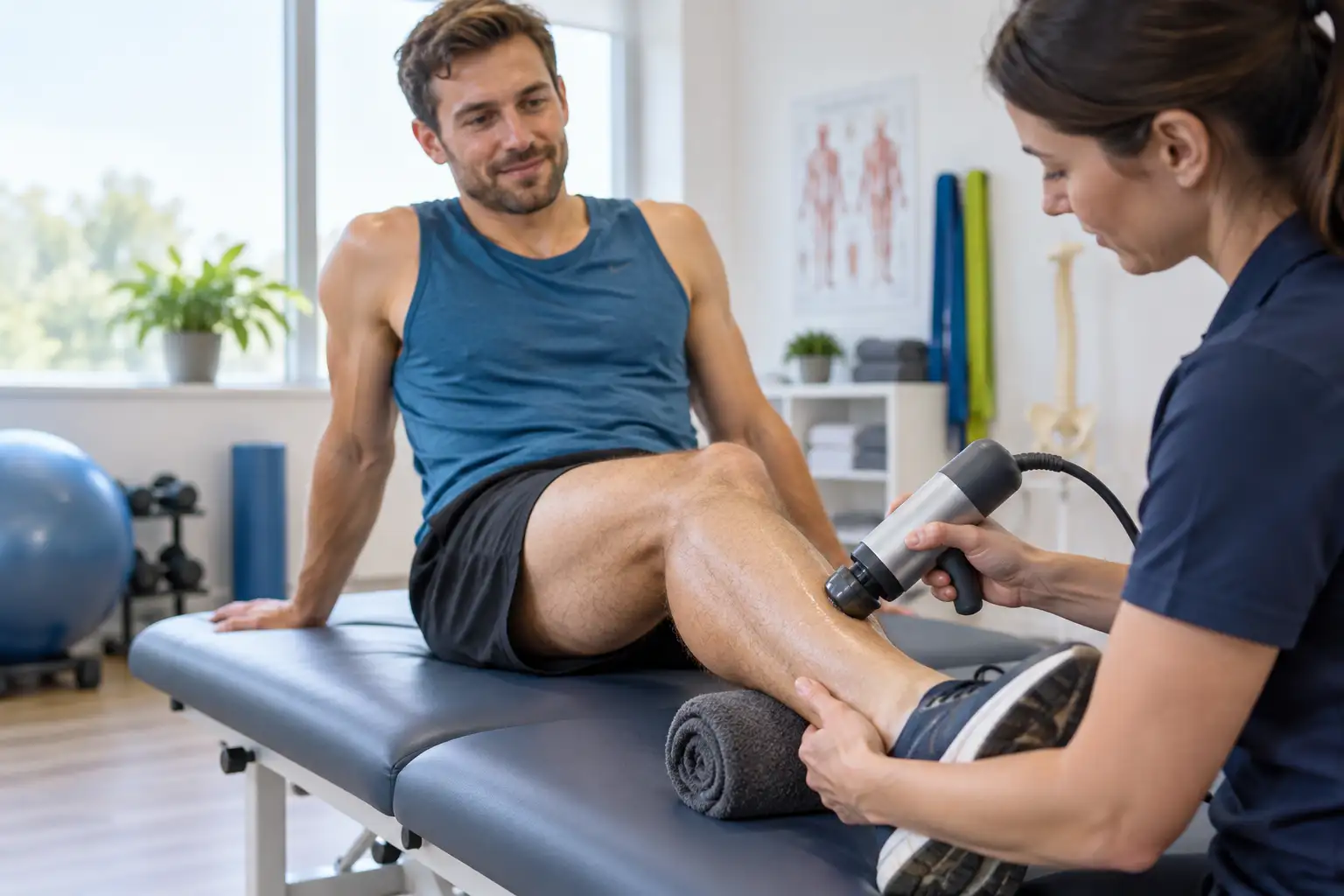
  • Create an authentic, contemporary UK rehabilitation scene focused on close-up of a shockwave device. The patient should appear engaged and hopeful rather than distressed, communicating that shockwave therapy is one part of a wider assessment-led plan. Include an unobtrusive treatment device in the background only if naturally appropriate, but do not make it the dominant subject. Use a natural three-quarter viewpoint at eye level, soft daylight, realistic clinical surroundings and unbranded clothing. Avoid dramatic pain expressions, logos, invented clinic details and generic stock-photo consultation poses. | Shockwave Therapy: Who Might Benefit? | Image option B
    21st September 2026

    Shockwave Therapy: Who Might Benefit?

    Shockwave therapy may help some people with persistent musculoskeletal pain. Learn what it involves, who might benefit and why assessment and rehabilitation still matter.

    Treatments & Technology
  • A realistic, article-specific UK outdoor running scene showing a recreational runner beginning a short, controlled return after shin pain. The runner is moving at an easy walk-jog pace on a quiet park or countryside path, with a natural turning point or shorter route visible ahead and a longer path continuing into the distance to suggest gradual progression and choice. The runner should appear calm and attentive rather than distressed, wearing unbranded practical running clothing. Use a natural three-quarter viewpoint at eye level or slightly behind, soft cool autumn daylight and believable Lincolnshire surroundings. The visual focus should be on measured return, symptom awareness and rebuilding capacity, not speed or competition. Avoid dramatic pain poses, compression supports, readable watches or phones, logos, medical equipment, generic gym imagery and staged consultation scenes. | Returning to Running After Shin Splints
    18th September 2026

    Returning to Running After Shin Splints

    A staged return-to-running framework after shin splints, covering symptoms, strength, load progression and warning signs.

    Injury & Recovery, Sports & Performance
  • A realistic, article-specific UK everyday movement scene showing an adult taking a sensible break from a prolonged kitchen or home-work activity because of mild neck stiffness. The person is standing beside a work surface, relaxed rather than distressed, gently changing position and looking towards an open window or short outdoor route beyond it to suggest movement, awareness and choice. Include an uncluttered environment with a chair, water glass and everyday objects, but no readable screens, documents, logos or medical equipment. Use a natural three-quarter viewpoint at eye level, soft daylight and believable contemporary UK surroundings. The visual focus should be on recognising symptoms early, varying posture and making a calm decision about self-management or seeking help, rather than a dramatic pain pose. Avoid treatment couches, generic consultations, exaggerated discomfort, neck braces, branded products and hospital settings. | When Should You Seek Help for Neck Pain?
    18th September 2026

    When Should You Seek Help for Neck Pain?

    Neck pain is common and often settles with sensible self-management. Learn which symptoms may improve at home, what you can try safely and when professional assessment is appropriate.

    Physiotherapy Advice
  • A realistic, article-specific UK outdoor cycling scene showing a recreational cyclist preparing for a short, controlled return ride on a quiet country lane near Lincoln. The bicycle is positioned beside the rider rather than being shown at speed, with the rider checking a simple route that turns back towards home after a short loop; a second, longer road is visible in the distance to suggest gradual progression and choice. The rider should appear calm and purposeful, wearing unbranded practical cycling clothing, with no exaggerated pain expression or visible support. Use a natural three-quarter viewpoint at eye level or slightly behind, soft autumn daylight and believable countryside. The visual focus should be on measured return, route planning and confidence rather than performance or competition. Avoid readable maps or screens, logos, branded kit, dramatic cycling action, medical equipment, generic gym imagery and staged pain poses. | Returning to Cycling After Knee Pain
    18th September 2026

    Returning to Cycling After Knee Pain

    Returning to cycling after knee pain is usually best approached gradually. Learn how to adjust riding, manage bike-related load and rebuild strength with confidence.

    Injury & Recovery, Sports & Performance
  • A realistic, article-specific UK healthcare scene showing the decision-making stage before imaging rather than a generic MRI machine or scan. In a calm, contemporary physiotherapy assessment room, an adult patient and physiotherapist sit beside an examination couch while discussing a simple anatomical reference sheet with no readable writing; a closed imaging referral folder rests nearby but is not the visual focus. The physiotherapist is listening and indicating the patient’s shoulder, knee or lower back area as part of a thoughtful clinical assessment, while the patient appears engaged and reassured. Use a natural three-quarter viewpoint at eye level, soft daylight, neutral surroundings and an open composition that communicates clinical reasoning, appropriate investigation and shared understanding. Avoid prominent MRI equipment, dramatic pain expressions, hospital branding, logos, readable documents, screens, invented clinic details and generic stock-photo consultation poses. | When Is an MRI Scan Useful for Musculoskeletal Pain?
    18th September 2026

    When Is an MRI Scan Useful for Musculoskeletal Pain?

    An MRI can provide valuable information about muscles, tendons, joints, discs and other soft tissues. Find out when it may help and why clinical assessment is often the first step.

    Physiotherapy Advice, Treatments & Technology
  • A realistic, article-specific outdoor sports scene showing a recreational athlete completing a controlled return-to-sport drill on a quiet grass training area after injury. The athlete is moving through a planned low-intensity change-of-direction exercise, with a second route marked by simple cones leading towards an open playing field in the background to suggest progression rather than competition. Include a physiotherapist or coach at a respectful distance observing the movement, only if it strengthens the sense of structured rehabilitation. Use a low three-quarter viewpoint, soft late-afternoon daylight and natural UK surroundings. The visual focus should be on measured movement, preparation and confidence, not pain or maximum effort. Avoid dramatic tackles, racing, visible injury supports, readable signage, logos, branded uniforms, medical equipment and generic gym imagery. | How to Build a Safe Return-to-Sport Plan After Injury
    18th September 2026

    How to Build a Safe Return-to-Sport Plan After Injury

    Returning to sport after injury is a process, not a single test. Learn how to use rehabilitation milestones, gradual load progression and confidence to plan your way back safely.

    Injury & Recovery, Sports & Performance
  • A realistic, article-specific outdoor scene showing an adult with knee osteoarthritis taking part in a manageable everyday activity on a quiet, gently sloping park path. The person is walking at a comfortable pace with relaxed posture, with a bench and a second, shorter route visible ahead to suggest pacing and choice rather than endurance or competition. Use a natural three-quarter viewpoint at eye level, soft daylight and an uncluttered seasonal setting. The visual focus should be on confident, sustainable movement and the surrounding environment, not pain or medical equipment. Avoid exaggerated discomfort, fitness-tracker screens, logos, branded clothing, clinical settings and generic exercise imagery. | How to Stay Active With Knee Osteoarthritis
    17th September 2026

    How to Stay Active With Knee Osteoarthritis

    Practical advice for staying active with knee osteoarthritis, including choosing suitable movement, pacing activity and building confidence through rehabilitation.

    Pain & Joint Health
  • A realistic, article-specific physiotherapy setting showing the quiet preparation immediately before a first appointment: an uncluttered assessment room with an examination couch, two chairs positioned for conversation, a notepad with no readable writing, and a neatly folded loose-fitting top placed beside a pair of everyday trainers. Include one adult patient seated comfortably at an angle while a physiotherapist listens and gestures towards the assessment area, making the interaction feel welcoming rather than clinical or procedural. Use a natural three-quarter viewpoint, soft daylight, calm neutral surroundings and an open composition that communicates conversation, assessment and reassurance. Avoid visible logos, branded uniforms, readable screens, invented clinic details, exaggerated pain expressions and generic office imagery. | What to Expect From Your First Physiotherapy Appointment
    17th September 2026

    What to Expect From Your First Physiotherapy Appointment

    Feeling unsure about your first physiotherapy appointment? Find out what happens during your assessment, what to wear, what to bring and how your treatment plan is created.

    Physiotherapy Advice
1 2 3 … 6
Next Page
ACCREDITATIONS
hcpc Registered
SERVICES
  • Acupuncture
  • Compass Clinic
  • Diagnostic Ultrasound and MRI Scanning
  • Injection Therapy
  • K FORCE
  • Laser Therapy
  • Performance Lab
  • Shockwave Therapy
  • Sports Massage
QUICK LINKS
  • FAQs
  • Contact Us
  • About Us
  • THRIVE Workshops
  • ONE MSK
  • Blog
  • Book Now
  • Safeguarding Policy
  • Complaints Procedure
  • Modern Slavery Statement
  • Terms and Conditions
CONTACT US

01522 787164
hello@greatnorthernphysiotherapy.co.uk

Great Northern Physiotherapy Ltd
Unit C1 The Point
Weaver Road
Lincoln LN6 3QN

  • Facebook
  • Instagram
  • LinkedIn

© Great Northern Physiotherapy Ltd.

Privacy Policy

Cookie Policy

Web Design Manchester by Urbansoul Design