MENU
Runner
great-northern-physiotherapy-lincoln-logo
  • About Us
    • Our Team
    • Join Us
  • What we treat
    • Achilles Tendinopathy
    • Carpal Tunnel Syndrome
    • Frozen shoulder
    • Golfers Elbow
    • Greater Trochanteric Pain Syndrome (GTPS)
    • Lower Back Pain
    • Medial Meniscus Tear
    • Medial Tibial Stress Syndrome (Shin Splints)
    • Neck Pain
    • Osteoarthritis
    • Plantar Fasciitis
    • Sciatica
    • Spinal stenosis
    • Tennis Elbow
  • Services
    • Our Services
    • Physiotherapy
    • Compass Clinic
    • Performance Lab
    • Sports Massage
    • Diagnostic Scanning
    • Injection Therapy
    • Shockwave Therapy
    • Acupuncture
    • Laser Therapy
    • K FORCE Rehab
  • Classes
  • Information
    • FAQ’s
    • Blog
  • THRIVE Workshops
  • ONE MSK
  • Contact Us
  • Book Now

Sports & Performance

  • A realistic, article-specific UK outdoor running scene showing a recreational runner beginning a short, controlled return after shin pain. The runner is moving at an easy walk-jog pace on a quiet park or countryside path, with a natural turning point or shorter route visible ahead and a longer path continuing into the distance to suggest gradual progression and choice. The runner should appear calm and attentive rather than distressed, wearing unbranded practical running clothing. Use a natural three-quarter viewpoint at eye level or slightly behind, soft cool autumn daylight and believable Lincolnshire surroundings. The visual focus should be on measured return, symptom awareness and rebuilding capacity, not speed or competition. Avoid dramatic pain poses, compression supports, readable watches or phones, logos, medical equipment, generic gym imagery and staged consultation scenes. | Returning to Running After Shin Splints
    18th September 2026

    Returning to Running After Shin Splints

    A staged return-to-running framework after shin splints, covering symptoms, strength, load progression and warning signs.

    Injury & Recovery, Sports & Performance
  • A realistic, article-specific UK outdoor cycling scene showing a recreational cyclist preparing for a short, controlled return ride on a quiet country lane near Lincoln. The bicycle is positioned beside the rider rather than being shown at speed, with the rider checking a simple route that turns back towards home after a short loop; a second, longer road is visible in the distance to suggest gradual progression and choice. The rider should appear calm and purposeful, wearing unbranded practical cycling clothing, with no exaggerated pain expression or visible support. Use a natural three-quarter viewpoint at eye level or slightly behind, soft autumn daylight and believable countryside. The visual focus should be on measured return, route planning and confidence rather than performance or competition. Avoid readable maps or screens, logos, branded kit, dramatic cycling action, medical equipment, generic gym imagery and staged pain poses. | Returning to Cycling After Knee Pain
    18th September 2026

    Returning to Cycling After Knee Pain

    Returning to cycling after knee pain is usually best approached gradually. Learn how to adjust riding, manage bike-related load and rebuild strength with confidence.

    Injury & Recovery, Sports & Performance
  • A realistic, article-specific outdoor sports scene showing a recreational athlete completing a controlled return-to-sport drill on a quiet grass training area after injury. The athlete is moving through a planned low-intensity change-of-direction exercise, with a second route marked by simple cones leading towards an open playing field in the background to suggest progression rather than competition. Include a physiotherapist or coach at a respectful distance observing the movement, only if it strengthens the sense of structured rehabilitation. Use a low three-quarter viewpoint, soft late-afternoon daylight and natural UK surroundings. The visual focus should be on measured movement, preparation and confidence, not pain or maximum effort. Avoid dramatic tackles, racing, visible injury supports, readable signage, logos, branded uniforms, medical equipment and generic gym imagery. | How to Build a Safe Return-to-Sport Plan After Injury
    18th September 2026

    How to Build a Safe Return-to-Sport Plan After Injury

    Returning to sport after injury is a process, not a single test. Learn how to use rehabilitation milestones, gradual load progression and confidence to plan your way back safely.

    Injury & Recovery, Sports & Performance
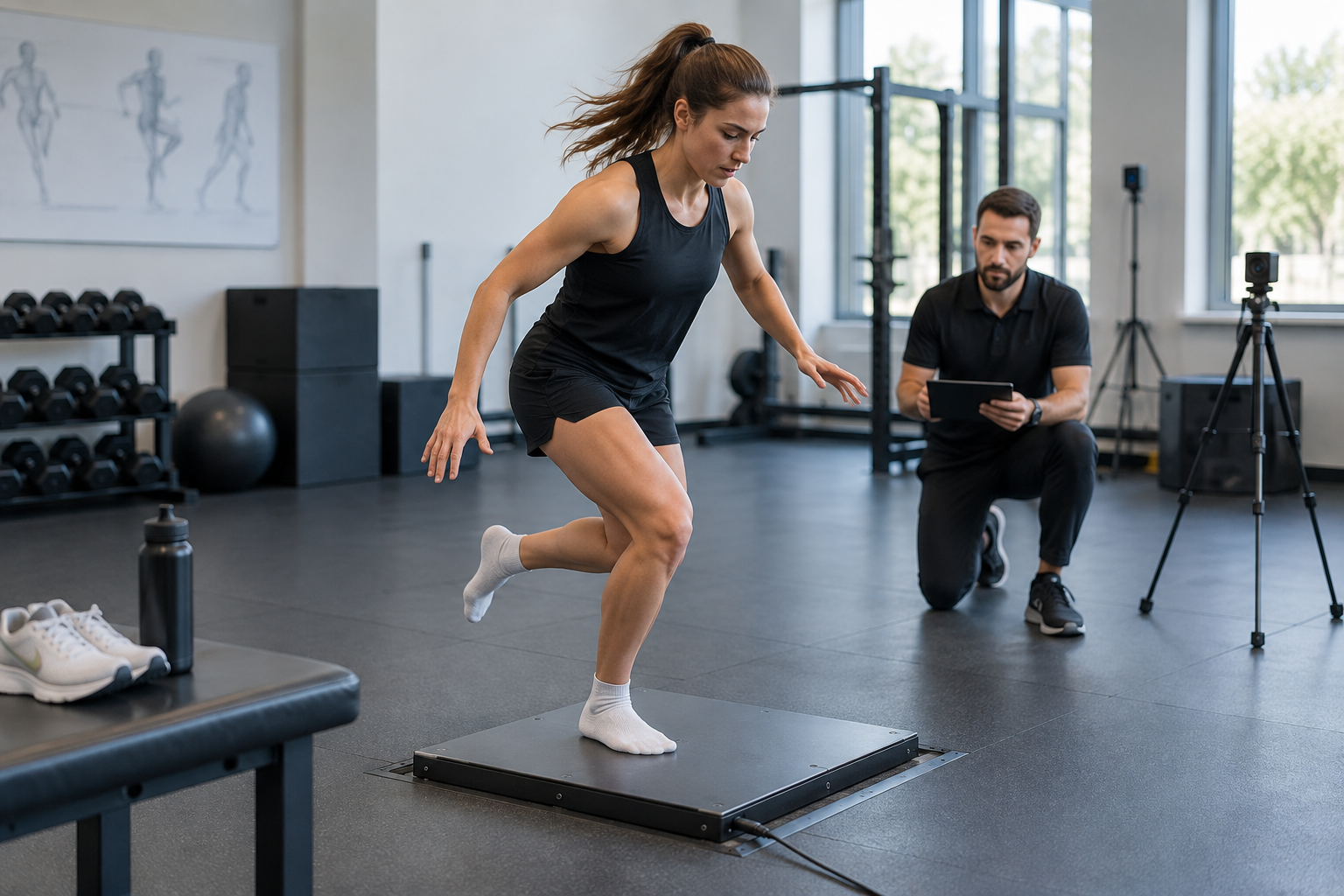
  • A realistic, article-specific sports performance scene showing an athlete midway through a controlled single-leg landing assessment in a spacious testing area, with one foot contacting a force plate and the other leg held stable. The composition should focus on the contrast between an ordinary training session and a precise assessment moment: a pair of running shoes and a water bottle sit to one side, while the athlete’s movement and the force plate create the visual centre. Use a three-quarter side viewpoint, natural clinical lighting, neutral equipment without visible logos, and no readable screens, charts or invented branding. The image should communicate that testing examines how movement is produced, not simply how much training was completed. | What Can Athlete Testing Tell You That Training Data Cannot? | Image option A
    1st October 2026

    What Can Athlete Testing Tell You That Training Data Cannot?

    Training data shows what you did. Structured athlete testing can help explain how your body responded and where performance may be limited.

    Sports & Performance
  • 17th September 2026

    Marathon Recovery: What to Do After Race Day

    Crossing the finish line of a marathon is a huge achievement. But while race day may be over, your body’s work is only just beginning. A marathon places significant stress on your muscles, tendons, immune system, and nervous system. Many runners feel ready to train again within a few days…

    Sports & Performance
  • 17th September 2026

    Load With Purpose: Why Gradual Loading Matters for Performance & Injury Prevention

    Whether you’re rehabbing after an injury or pushing toward your next performance goal, how you load your body matters. The body adapts – but only if you dose load just right. Too little and you don’t trigger adaptation; too much and you risk damage, setbacks or injury. In other words,…

    Sports & Performance
  • 17th September 2026

    Elevate Your Training: Understanding the Performance Lab

    The Performance Lab is an advanced analysis athlete experience that helps you understand your body, optimise your training, and track progress with precision. This service uses industry-leading wearable technology to provide a detailed, data-driven analysis of an athlete’s physical capabilities. The core purpose is to analyse biomechanics and training thresholds.…

    Sports & Performance
  • 17th September 2026

    Training Load. Why this is an essential tool for injury prevention.

    The simplest and easiest way to prevent injury and improve performance in sport is monitoring your training load. In the past trying to understand an athletes training load was incredibly difficult and very often it usually entailed simply asking athletes what training they had done in the preceeding weeks or…

    Sports & Performance
  • 17th September 2026

    Variability is the spice of life….

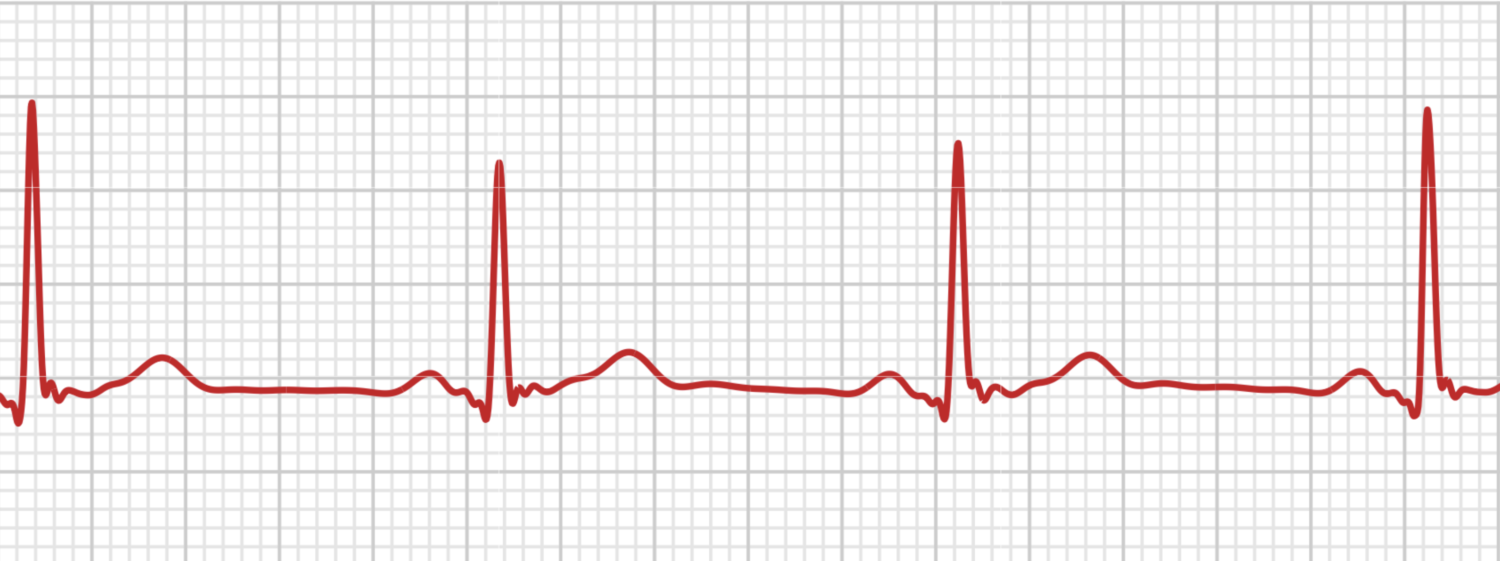
    Heart Rate Variability  So how are you feeling today? Tired? Feeling fresh? Maybe a bit stressed? If you are an athlete, how were you feeling after your last training session? Fresh and ready to go, or maybe you need a few days off…? How do you really know? In most…

    Sports & Performance
  • Returning to Running After Shin Splints
    Injury & Recovery, Sports & Performance

    Returning to Running After Shin Splints

    A staged return-to-running framework after shin splints, covering symptoms, strength, load progression and warning signs.

  • Returning to Cycling After Knee Pain
    Injury & Recovery, Sports & Performance

    Returning to Cycling After Knee Pain

    Returning to cycling after knee pain is usually best approached gradually. Learn how to adjust riding, manage bike-related load and rebuild strength with confidence.

  • How to Build a Safe Return-to-Sport Plan After Injury
    Injury & Recovery, Sports & Performance

    How to Build a Safe Return-to-Sport Plan After Injury

    Returning to sport after injury is a process, not a single test. Learn how to use rehabilitation milestones, gradual load progression and confidence to plan your way back safely.

  • What Can Athlete Testing Tell You That Training Data Cannot?
    Sports & Performance

    What Can Athlete Testing Tell You That Training Data Cannot?

    Training data shows what you did. Structured athlete testing can help explain how your body responded and where performance may be limited.

  • Marathon Recovery: What to Do After Race Day
    Sports & Performance

    Marathon Recovery: What to Do After Race Day

    Crossing the finish line of a marathon is a huge achievement. But while race day may be over, your body’s work is only just beginning. A marathon places significant stress on your muscles, tendons, immune system, and nervous system. Many runners feel ready to train again within a few days…

  • Load With Purpose: Why Gradual Loading Matters for Performance & Injury Prevention
    Sports & Performance

    Load With Purpose: Why Gradual Loading Matters for Performance & Injury Prevention

    Whether you’re rehabbing after an injury or pushing toward your next performance goal, how you load your body matters. The body adapts – but only if you dose load just right. Too little and you don’t trigger adaptation; too much and you risk damage, setbacks or injury. In other words,…

  • Elevate Your Training: Understanding the Performance Lab
    Sports & Performance

    Elevate Your Training: Understanding the Performance Lab

    The Performance Lab is an advanced analysis athlete experience that helps you understand your body, optimise your training, and track progress with precision. This service uses industry-leading wearable technology to provide a detailed, data-driven analysis of an athlete’s physical capabilities. The core purpose is to analyse biomechanics and training thresholds.…

  • Training Load. Why this is an essential tool for injury prevention.
    Sports & Performance

    Training Load. Why this is an essential tool for injury prevention.

    The simplest and easiest way to prevent injury and improve performance in sport is monitoring your training load. In the past trying to understand an athletes training load was incredibly difficult and very often it usually entailed simply asking athletes what training they had done in the preceeding weeks or…

  • Variability is the spice of life….
    Sports & Performance

    Variability is the spice of life….

    Heart Rate Variability  So how are you feeling today? Tired? Feeling fresh? Maybe a bit stressed? If you are an athlete, how were you feeling after your last training session? Fresh and ready to go, or maybe you need a few days off…? How do you really know? In most…

ACCREDITATIONS
hcpc Registered
SERVICES
  • Acupuncture
  • Compass Clinic
  • Diagnostic Ultrasound and MRI Scanning
  • Injection Therapy
  • K FORCE
  • Laser Therapy
  • Performance Lab
  • Shockwave Therapy
  • Sports Massage
QUICK LINKS
  • FAQs
  • Contact Us
  • About Us
  • THRIVE Workshops
  • ONE MSK
  • Blog
  • Book Now
  • Safeguarding Policy
  • Complaints Procedure
  • Modern Slavery Statement
  • Terms and Conditions
CONTACT US

01522 787164
hello@greatnorthernphysiotherapy.co.uk

Great Northern Physiotherapy Ltd
Unit C1 The Point
Weaver Road
Lincoln LN6 3QN

  • Facebook
  • Instagram
  • LinkedIn

© Great Northern Physiotherapy Ltd.

Privacy Policy

Cookie Policy

Web Design Manchester by Urbansoul Design

0
0
0
0
0