

When an injury occurs the body has an amazing healing response which takes place over a number of stages as described below. This blog will aim to explain these stages and how important the right type of intervention and Physiotherapy can be of huge benefit during each of these stages
Stage 1- Bleeding
If an injury or trauma is severe enough bleeding can occur from the affected soft tissue for a period of 6-8 hours, the more severe the injury the longer the bleed. This where you may notice a bruise has formed, this generally occurs around the affected area, however bruising is affected by gravity as well. So if somebody has a shoulder injury they may also experience bruising further down the arm. This is often a tell tale sign of where the root cause of the problem is and something we often pick up on our initial assessments.
Stage 2- Inflammation
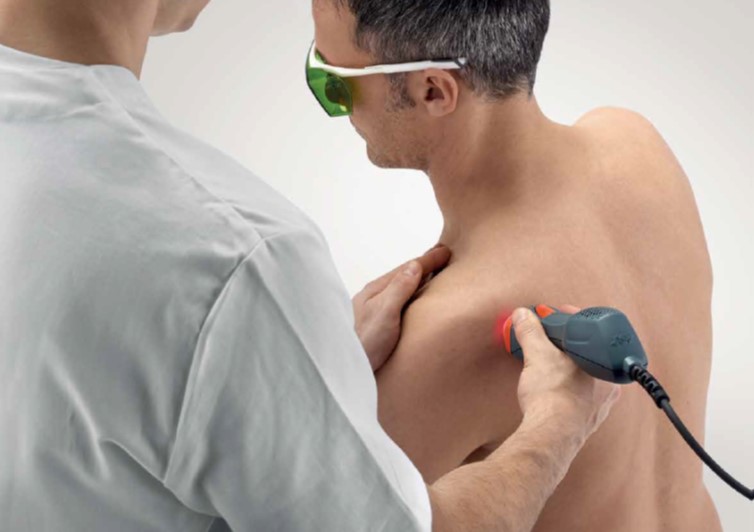
The inflammatory stage usually starts within a few hours and reaches its peak 1-3 days post injury. The inflammatory stage involves the release of chemicals that assist with the healing process through a vascular and cellular response. Blood vessels open to allow more blood to flow through to the area, while cells flood into the area to debride damaged tissue, ensure that bacteria is neutralised and start the repair of soft tissue. During this important phase the injured area will usually be swollen, bruised, hot and painful, a loss of function may also be experienced. During this inflammatory phase we may recommend that the injured area is protected, to do this elevate and ice the injured area to help with pain levels, this can be done several times a day but ensure ice is covered with a damp towel to avoid ice burn. Compression in the form of a bandage or tubigrip can also help while moving about. Here at Great Northern Physiotherapy we use specific manual therapy techniques and electrotherapy (including Laser) to assist with this phase, we can also apply kinesiology tape to the injured area which can help with support and feedback, finally we can advise on safe initial gentle pain free exercises to maintain range of movement of the injured area.
Stage 3- Proliferation
Also referred to as the repair phase, this stage starts 2-3 days post injury and generally last 2-3 weeks, but can last longer depending on the severity and location of the injury. Essentially new blood vessels slowly begin to develop and bring more blood flow to the injured area. New tissue is laid down to bridge and fill the injured tissue, this tissue is initially laid in a haphazard manner and has a poor tensile strength, you may hear of this tissue being referred to as scar tissue. Any wounds that may have formed on the surface of the skin also begin to heal and close. At this stage it is important not to load the tissue too heavily as that can have an adverse effect on the healing process. This is where very specific loading exercises are of most importance and here at Great Northern Physiotherapy we use the latest software that provides video tutorial and tracks our progress as you start you on your rehabilitation journey. We also have a range of techniques which can promote healing and reduce the impact that scar tissue can have on recovery, as well as maintaining current levels of strength and flexibility in surrounding tissues and joints. These techniques include electrotherapy, manual therapy, laser therapy, and taping.
Stage 4- Remodelling
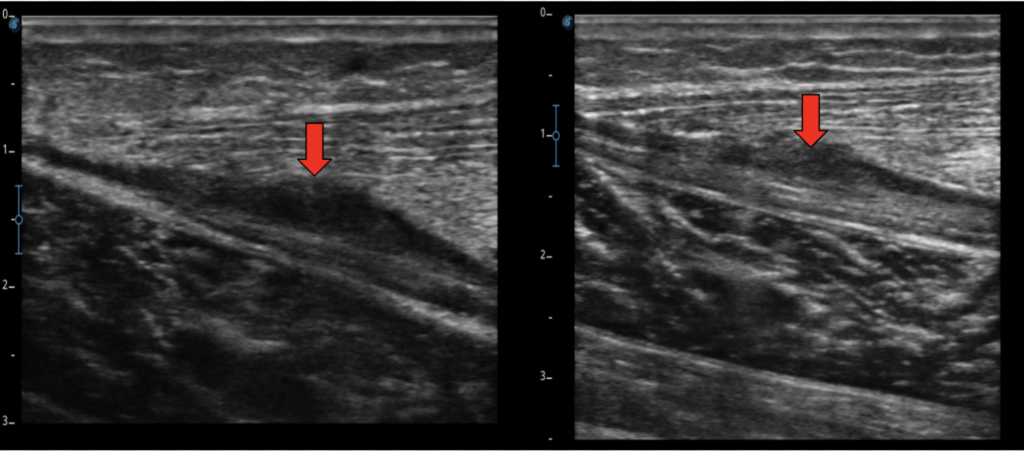
During the final stage, which starts at around week 2-3 and can last months to years, which again depends on the location and severity of the original injury, the original weaker quality tissue is replaced by tissue of a stronger quality. The repaired tissue also begins to align to the normal stresses of the body. Appropriate loading is key at this stage for stressing the injured tissue. We often find that patients are actually UNDER loading their tissues in this phase and this can lead to re injury. To test this, we will use force plates and digital strength testing equipment to ensure you have adequate symmetry and balance. Our more bespoke services such as the running lab biometric test and our return to play protocols help to achieve a return to full activity. We often use diagnostic ultrasound during stage 3-4 to check that adequate healing has taken place before moving you onto new loading programs.
So if you have a recent injury and are thinking of just resting it until it gets better, think again, there is far more going on under the skin than you may have realised and we can help you influence this process so you get back to full fitness faster with reduced chance of re injury. To find out more or book online, click here
Enjoyed this and want to read more? Subscribe below 👇