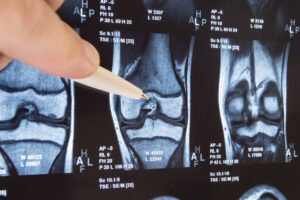

Physiotherapists are trained to manage joint and soft tissue problems, commonly this is in the extremities or at the spine, but did you know some are also trained to manage jaw problems! Becky Robinson, our resident pain specialist also has specialist training in the management of jaw related issues and often gets referrals for patients struggling with this.
We caught up with Becky to find out more about this niche area!
So, how can the jaw cause problems?
We use the term Temporomandibular Disorders (TMD) to describe musculoskeletal issues around the jaw (temporomandibular joint) and the surrounding muscles that support movement of the jaw and actually problems relating to these tissues are quite common. It is estimated 1 in 3 of us have TMD issues but only 3.6-7% seek treatment. Symptoms include pain around the jaw and face (eye/ear/head), clicking and locking of the jaw and limited movement and function of the jaw (difficulty opening the mouth, eating). For most people symptoms are generally short lived or occasional.
It sounds pretty complex, is it?
Its very similar to any other joint in the body actually. The lower section of the jaw is called the Mandible, it joins to the temporal bone (part of the skull) to create the Temporomandibular Joint (TMJ). The top part of the mouth, the upper jaw, is the maxilla. As with most joints there is cartilage, ligaments and a joint membrane. The TMJ also has a very small disc which acts to cushion and absorb shock. Surrounding the joint there are also four main muscles involved in chewing, swallowing and speaking known as the masticatory muscles.

In normal circumstances the range of movement at the jaw is roughly 3 finger’s width wide and the jaw will naturally rest in a slightly open position, in this position the teeth should be slightly apart (2-5mm), with top teeth sitting slightly in front the bottom row and the tongue should sit on the roof of the mouth.
So what can go wrong with the jaw?
There are some oral behaviours that can contribute or exacerbate TMD symptoms, such as biting nails, chewing pens or gum, sucking or biting the lip or cheek, and using your tongue to push your teeth or cheek. There are also postural behaviours that can encourage asymmetry at the jaw and aggravate TMD symptoms such as slouched sitting with the jaw protruding forward, resting or propping the jaw with your hand, holding your phone between your face and shoulder and also sleeping on one side for long periods.
Certain hobbies can also influence TMD symptoms such as playing instruments like the violin or flute, singing, sports that involve tilting the head to one side like archery or shooting can be problematic as well as contact sports where the jaw may be exposed to impact such as rugby and boxing. Many people also find they hold a lot of tension in the jaw and this may lead to clenching or grinding their teeth (bruxism) in both the day and night, particularly during stressful periods.
Ouch, sounds painful. What can be done if you have TMD?
The crucial first step is to get the joint assessed in clinic. During the assessment we can check the joint symmetry, range of motion and muscle function. We even have the facility in the clinic to look dynamically at the jaw with diagnostic ultrasound additionally if needed. The findings from our assessment will indicate what treatment approach to take.
There are many treatment options available to help with TMD symptoms including acupuncture, electrotherapy including laser therapy, and injection therapy, though typically we find that most symptoms improve with the targeted use of manual therapy techniques. This often involves soft tissue release externally around the head, face and jaw as well inside the mouth (intra-orally) to relieve tightness into the muscles around the jaw. Exercises can be given to stretch the jaw and surrounding muscles as well as improve strength and jaw stability. We also place a lot of emphasis on relaxation and stress management techniques as well as sleep hygiene and postural advice if this is contributing to symptoms. If needed we can also liaise with Dentists to arrange mouth guards and resting/ repositioning splints which can reduce teeth grinding at night and improve jaw position.
So there you have it, a lot can go wrong with such a tiny structure, though fortunately it seems like Becky will have you covered if you do get into any difficulty with the jaw. If you wish to speak to us about this or any of our services don’t hesitate to get in touch!
Becky Robinson a chartered Physiotherapist and Director at Great Northern Physiotherapy, she specialises in Chronic pain and TMD and is registered with the Association of Chartered Physiotherapists in Temporomandibular disorders (ACPTMD).
📷 Photo by Picas Joe
Enjoyed this and want to read more? Make sure you subscribe! 👇